
By Sheree Crute
Reports on the ill effects of ultra-processed foods have been everywhere in recent months. The idea is that many of the foods we favor contribute to heart disease, obesity, depression and more. Yet, trying to purge our daily diets of every ultra processed food is not just inconvenient, it is nearly impossible.
New research, examining the diets of more than 200,000 people, presented at Nutrition 2026 , an annual gathering of the nation’s leading nutrition experts, offers a different perspective and great advice on managing the ultra processing problem. Our focus should be on the quality of food, not the amount of processing. In addition, there are many minimally processed foods that are bad for our health.
“Advising people to universally avoid ultra-processed foods can lead to lower diet quality since healthy ultra-processed foods are beneficial and unhealthy minimally-processed foods are detrimental,” said Xiaowen Wang, PhD, lead study author and a fellow at the Department of Nutrition at Harvard T. H. Chan School of Public Health. “People should prioritize the quality of foods rather than focusing solely on the level of processing. Aim for more nutrient-dense, high-quality foods to help lower your risk of chronic diseases.
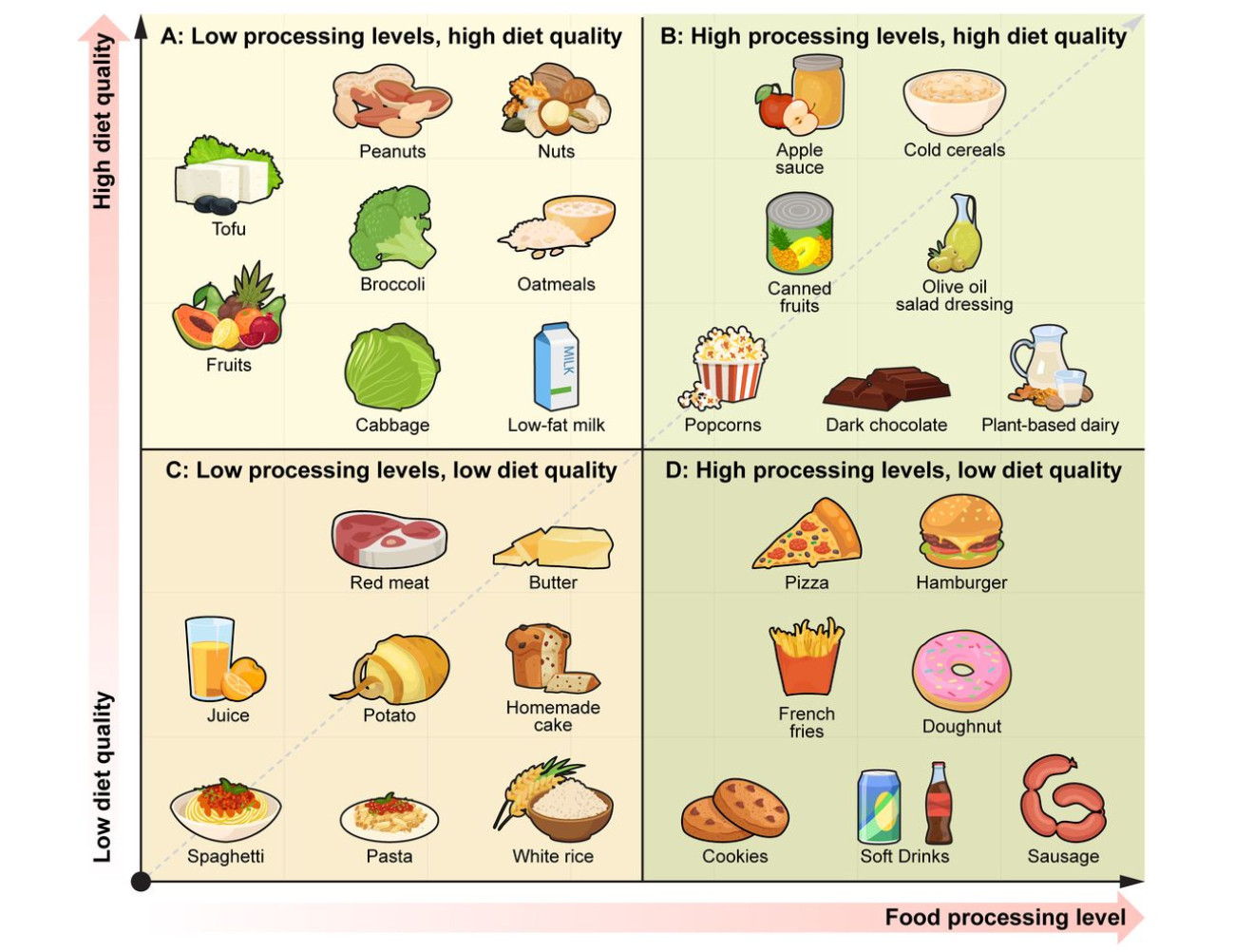
Very health ultra-processed foods include, whole grain (no sugar) cereals, plant-based milks and yogurts and olive oil.
To protect health, Wang suggests people follow a balanced diet focused on a variety of health foods such as the Mediterranean Diet.
Sheree Crute is co-founder and editor-in-chief of FierceforBlackWomen.com.
Photo: Brooke Lark, Unsplash