

Understanding GLP-1s
The selection of GLP-1s approved by the Food and Drug Administration (FDA) has grown to at least 10 different formulations as of April, making it even more important to fully understand how the drugs function. While all GLP-1 drugs bind to the same hormone receptor in your body when you take them, the different formulations may contain varying amounts of the hormone, require different dosing schedules and produce different results. They may also be administered by injection or taken in pill form.
It may comfort some women to know that the GLP-1 hormone is already in our bodies. It is released naturally by the gut when we eat. It alerts the pancreas that it is time to release insulin (which helps our bodies process the sugar produced by food). It then reduces the time it takes for the stomach to empty so that we will feel full longer and tells the brain that we are satiated. The issue is that natural GLP-1 degrades in roughly two minutes after release due to the body’s enzyme activity. Synthetic GLP-1s plug into the body’s GLP-1 receptors and keep the hormone active in the body for more than a week, depending on the drug and dosage, prolonging the beneficial effects of the hormone and triggering weight loss for the majority of users.
GLP-1s do not work well for everyone. Women benefit more than men, and roughly 10% of users do not see meaningful weight loss after taking the drugs. In those cases, dietary adjustments or switching medications may resolve the issue.
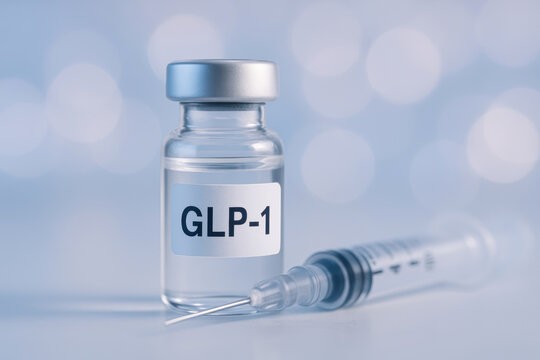
They might seem new, but research analyzing the hormones and agents that would become GLP-1 drugs dates back more than 40 years.
As with many drugs, GLP-1s are linked to rare, but potentially serious health risks, especially if you attempt to take them without being examined by a physician who continues to work with you. Social media hype aside; doctors are clear that GLP-1s should not be used as a quick fix for dropping a few pounds.
People who should not take GLP-1s include those who are already experiencing “gastroparesis [slowed stomach emptying], other digestive issues or have a history of medullary thyroid cancer,” said Holly Lofton, M.D., a board-certified obesity medicine specialist at New York University. Other side effects, such as hair loss and muscle loss, are linked to rapid weight loss for any reason, not the GLP-1 drugs themselves. The hair loss is most likely temporary and can sometimes be addressed through adjusting dosage. A newer, but poorly understood risk is the rare possibility of damaged vision, especially in people who may have certain preexisting eye conditions.
A large number of people also experience side effects, at least when they begin a GLP-1 regimen, such as nausea (triggered by the drug’s effect on the addiction centers and other areas of the brain), vomiting and constipation linked to the drug’s slowing of digestion. The reactions may vary from drug to drug.
Because we think of GLP-1s as new, there is also a concern that there is not enough research to prove that the drugs are safe. But research analyzing the hormones and agents that would become GLP-1 drugs dates back more than 40 years. The first GLP-1 was approved in 2005; studies demonstrating cardiovascular safety were completed in 2016, with ongoing research on people with obesity tracking to 2023.