

A Game Changer for Black Women’s Health
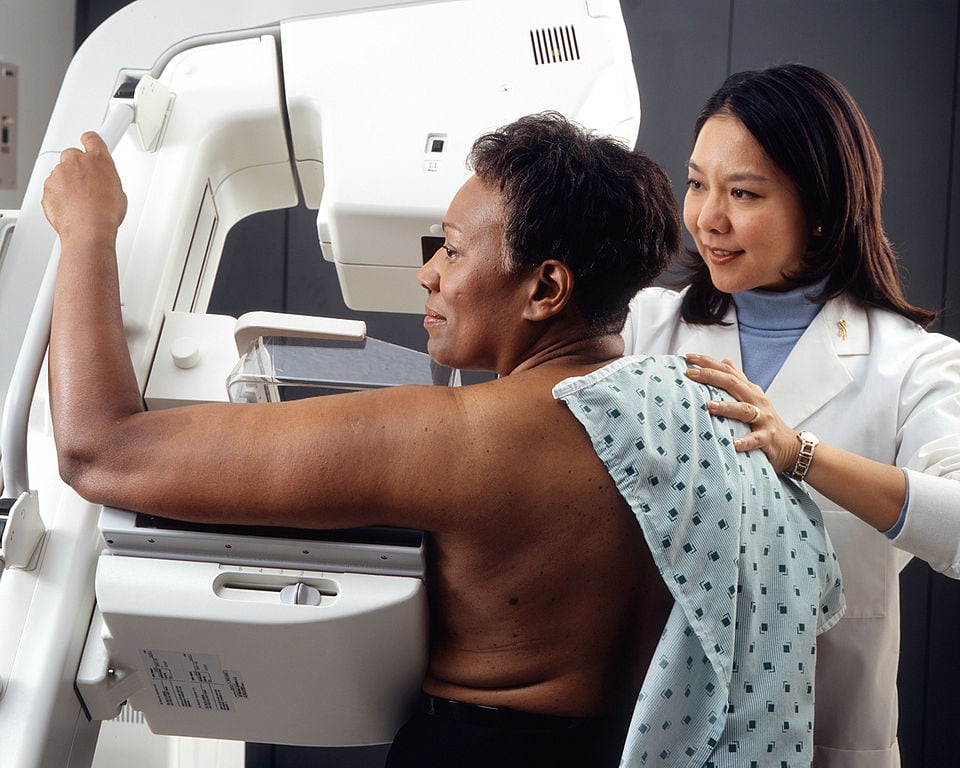
Early, observational studies have reported an approximately 30% reduction in breast cancer rates among obese women taking GLP-1s. (Rhoda Baer/NIH-Public Domain)
The most important fact about GLP-1s for Black women is the undeniable role the drugs can play in dramatically reducing risks that disproportionately damage our health and shorten our lives. “I have seen some real improvements in blood pressure and better control of blood sugar, for example, among my patients,” Dr. Narain said. If you are struggling to lose weight, “it can also help you see the fruits of what you’re doing.”
To achieve the robust health and longevity that is our right as Black women, we often have to prevent and survive higher rates of cardiovascular disease, diabetes, fibroids, obesity, kidney disease and Alzheimer’s. Current research shows that GLP-1s are an incredibly powerful weapon in this fight. The drugs can potentially prevent or improve each of these conditions, as well as PMOS, and may reduce certain cancer risks. Research published in September suggests the drugs may even combat aging and extend life . The treatment may even have a modest positive effect on people dealing with depression.
- Fibroids – GLP-1s have not been proven to prevent fibroids, but they have been shown to reduce the growth of new fibroids in women with type 2 diabetes. In a study of more than 30,000 diabetic women, those taking GLP-1s were 27% less likely to develop new fibroids than those taking metformin, another diabetes treatment. The key may be the role GLP-1s play in weight reduction, which also lowers levels of estrogen in the body and improves insulin resistance. Both contribute to fibroid development in women with or without diabetes.
- Breast and ovarian cancer – Early, observational studies have reported an approximately 30% reduction in breast cancer rates among obese women taking GLP-1s. Other research found a significant increase in ovarian cancer survival rates among women taking GLP-1s. Both cancers are linked to obesity. Researchers are awaiting larger trials to see if these findings hold up.
- Diabetes – A study of the GLP-1 Tirzepatide (Zepbound) cut the risk of progressing to type 2 diabetes by 90% in a population of obese and prediabetic patients. Recent research also shows the drugs improve the health of people living with type 1 diabetes.
- Cardiovascular disease (heart attack, stroke, arteriosclerosis), hypertension, kidney disease – A 2023 trial of overweight or obese, non-diabetic women showed a 20% reduction in heart attacks in those taking one weekly dose of GLP-1s over 3 years, and 15% reduction in stroke risk. In some cases, GLP-1s may improve kidney disease.
- Alzheimer’s – Scientists are clear that there is a lot more to learn, but GLP-1s may have the potential to reduce the risk and possibly someday the progression or severity of Alzheimer’s and other forms of dementia by reducing inflammation and protecting parts of the brain.
- Polyendocrine Metabolic Ovarian Syndrome (PMOS) – This complex and difficult-to-treat condition often produces different symptoms in Black women, including unmanaged pain. New research shows that while GLP-1s are not a first line treatment for PMOS, the drugs may improve the syndrome in women who are overweight or obese.